
Cockroach Control
Palmetto Bugs vs German Roaches: Know the Difference
By Jobe Pest Services LLC · Published October 14, 2026 · Updated November 3, 2026
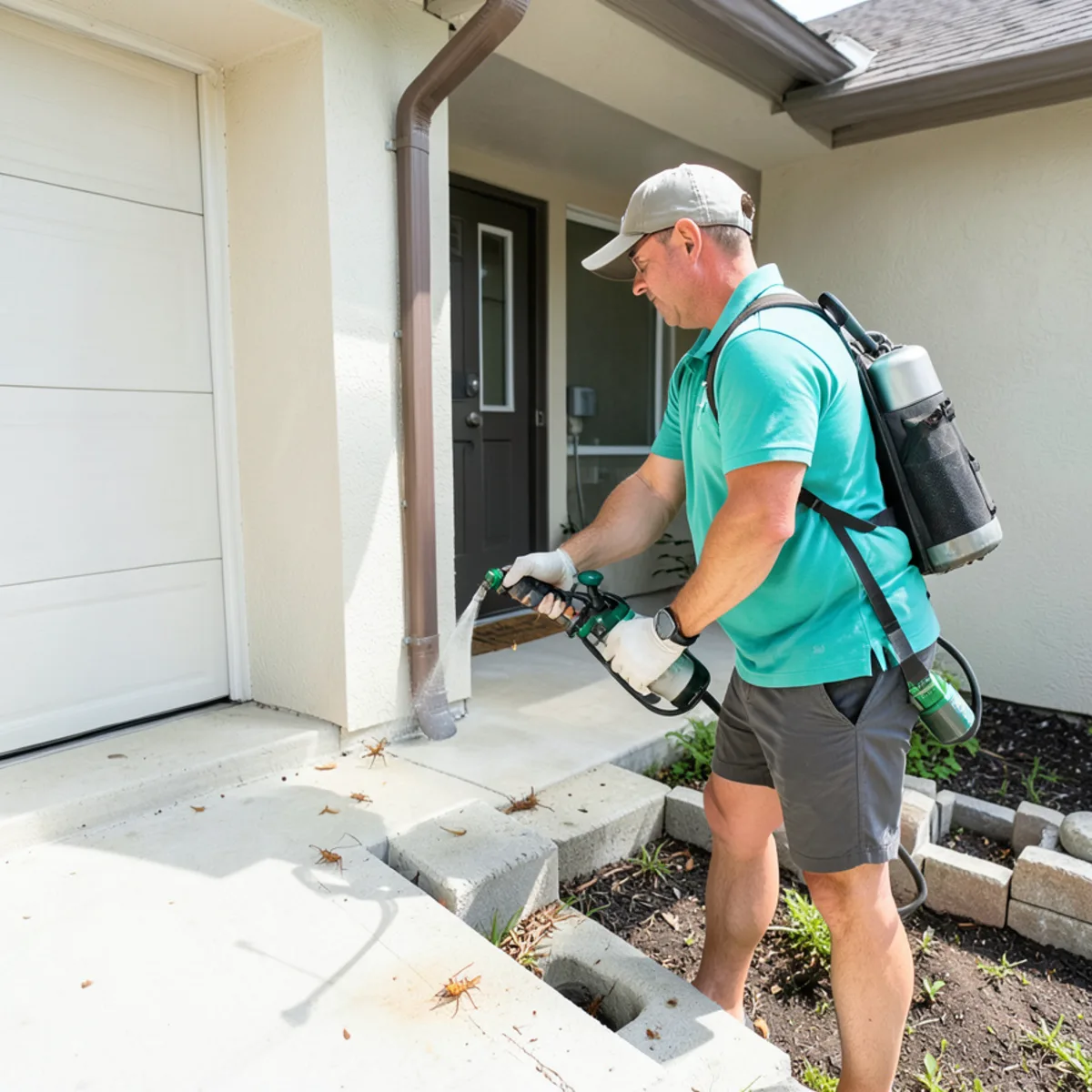
Not all roaches are the same problem. The big reddish-brown roach that wanders in from outside — the palmetto bug — needs a completely different approach from the small light-brown German cockroach that breeds in your kitchen. Treat them the same way and you waste time and money.
Here is how to tell them apart, and why the species decides the treatment.
How to tell them apart
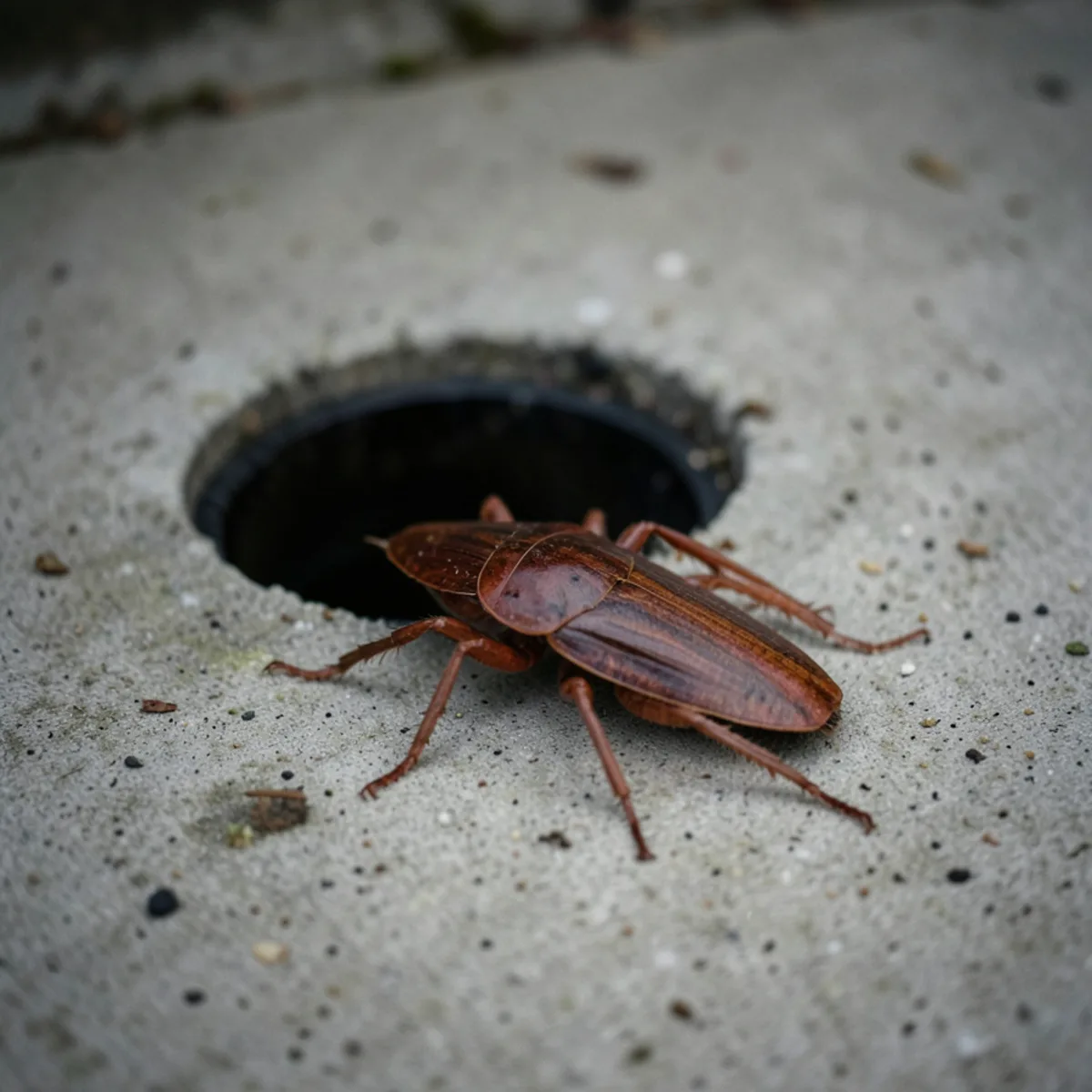
Palmetto bugs (American cockroaches) are large — up to two inches — reddish-brown, and usually show up one or two at a time in garages, bathrooms and near drains. German cockroaches are small, about half an inch, light brown with two dark stripes behind the head, and appear in numbers in kitchens and bathrooms, scattering when a light flips on.
Size and number are the quickest tells: big and occasional means palmetto bug; small and many means German roach.
Why the treatment differs
Palmetto bugs live outdoors in mulch, drains, soffits and sewers and wander in, so control is a perimeter barrier plus drain and attic treatment and sealing entry points — mostly outside work. German roaches live and breed indoors in warm, humid voids, so control is gel baiting in kitchens and baths with follow-up visits to catch newly hatched nymphs.
A German roach job without follow-ups almost always fails, because the egg cases survive the first treatment. A palmetto bug problem, by contrast, usually drops fast once the perimeter is treated.
How each roach reproduces
The breeding gap between these two species explains why one becomes an infestation and the other usually does not. A German cockroach female carries her egg case until it is nearly ready to hatch, and each capsule releases dozens of nymphs, with generations overlapping so a handful of hitchhikers can balloon into hundreds in a matter of weeks. That rapid, indoor reproduction is exactly what makes them so stubborn once they settle into a warm kitchen, and it is the reason a few strays are never really a few.
The large outdoor roach reproduces far more slowly and almost entirely outdoors, dropping its egg cases in damp mulch, sewers, woodpiles and crawl spaces rather than in your cabinets. Because it does not build explosive indoor numbers, the ones you meet inside are usually wanderers rather than the leading edge of a breeding population. That single difference in where and how fast they multiply is why a few big roaches and a scattering of small ones call for completely different responses.
Signs a German roach colony is building
Because German cockroaches hide by day and breed out of sight, the early warning comes from small clues around the kitchen rather than the roaches themselves.
- Pepper-like specks of droppings in drawers and cabinet corners
- Tan, empty egg capsules wedged behind appliances or under shelves
- A faint, musty odor that grows as numbers climb
- Shed skins from nymphs near warm, humid hiding spots
- Roaches scattering from the sink or stove when a light comes on
Where each species hides
Finding them starts with knowing where they rest. German cockroaches crowd into warm, tight, humid gaps close to food and water — the motor housing of a refrigerator, the void beside a dishwasher, the seams under a sink, and the hinges and hollows of cabinetry. They prefer spaces where their backs and bellies both touch a surface at once, which is why they pack into cracks you would never think to check, and why a surface spray glides right past them.
The big outdoor roach harbors somewhere else entirely: floor drains, sewer lines, water-meter boxes, mulch beds, soffits, attics and the damp space beneath the house. It travels along plumbing and wiring and slips in under a poorly sealed door or up through a dry drain trap. Knowing that one lives in the heart of the kitchen while the other lives in the yard and the pipes is what directs the treatment to the right place.
The health side of a roach problem
Beyond the unease they cause, cockroaches carry a genuine health concern. As they travel from drains, garbage and sewers across counters and dishes, they can track bacteria onto food-contact surfaces. German cockroaches add a second issue indoors: their droppings, shed skins and saliva contain allergens that build up in a home and can trigger asthma and allergy symptoms, a problem that worsens as a hidden population grows and the allergen settles into household dust.
This is part of why German cockroaches warrant a quick, thorough response rather than a wait-and-see approach. A few big roaches wandering in from outside are mainly a nuisance to seal out, but a breeding indoor population raises the allergen load steadily over time, especially for children and anyone with sensitive airways. Clearing it and keeping it clear protects more than just your peace of mind.
Prevention that fits each roach
Keeping the big outdoor roaches out is mostly exterior work: sealing gaps around doors, pipes and vents, adding sweeps to doors, pouring water down seldom-used drains so the traps stay full, and pulling mulch and wood back from the foundation. Trimming vegetation off the walls and keeping the perimeter dry removes the harborage that stages them for a trip indoors. These are the same moves that keep a wandering roach from ever reaching the kitchen in the first place.
German cockroaches demand a different kind of care because they arrive from within. Inspecting grocery bags, secondhand appliances and cardboard before carrying them inside stops the most common hitchhike, and promptly breaking down and removing boxes denies them both a ride and a hiding place. Wiping up grease, sealing food and drying the sink at night cuts the crumbs and moisture a colony lives on between professional visits.
Do not overlook the smokybrown roach
Florida homes meet a third common culprit that muddies the picture: the smokybrown cockroach. It rivals the palmetto bug in size but is a uniform glossy mahogany-brown without the pale markings, and it is a strong flier drawn to lights at night. Like the palmetto bug it lives outdoors in attics, soffits, mulch and tree holes and wanders in rather than breeding in the kitchen, so it responds to the same exterior-focused approach rather than indoor gel baiting.
Telling it apart from a German infestation still comes down to size and numbers. One or two large, glossy roaches near a porch light or up in the attic point to the outdoor wanderers, while many small striped roaches concentrated in the kitchen point to a breeding population inside. Matching the response to that read is what keeps either one from becoming a recurring headache.
Why follow-up timing makes or breaks it
With German cockroaches, the calendar matters as much as the product. The egg capsules are tough and shielded, so a first treatment knocks down the roaches that are out and about while the protected capsules keep hatching afterward. A return visit timed to catch that fresh wave of nymphs before they mature and reproduce is what finally breaks the cycle. Skip it and the survivors simply rebuild, which is why a single visit so often disappoints.
The outdoor roaches follow a gentler rhythm. Because they are not breeding in the kitchen, treating the perimeter and sealing entry points usually drops the sightings quickly, with upkeep tied to the seasons and the weather that drives them indoors rather than to a hatch cycle. Matching the schedule to the species is the quiet reason one plan clears the problem while another keeps chasing it.
Related on this site
Sources
- UF/IFAS Extension — cockroaches and their management