
Emergency Pest Control
Rat in the House at Night: First Steps
By Jobe Pest Services LLC · Published October 17, 2026 · Updated November 3, 2026
Seeing a rat run across the kitchen at night is unsettling, but a single rat is a nuisance and a sanitation concern, not an immediate danger. The useful thing is to act calmly tonight and set up for getting it out — and finding how it got in.
Here are the first steps.
What to do tonight
If you can, close interior doors to confine the rat to one area, and move accessible food into sealed containers. Keep children and pets clear and don’t try to corner it — a cornered rat may bolt or bite. Note where it appeared and where it went; that points to the entry route.
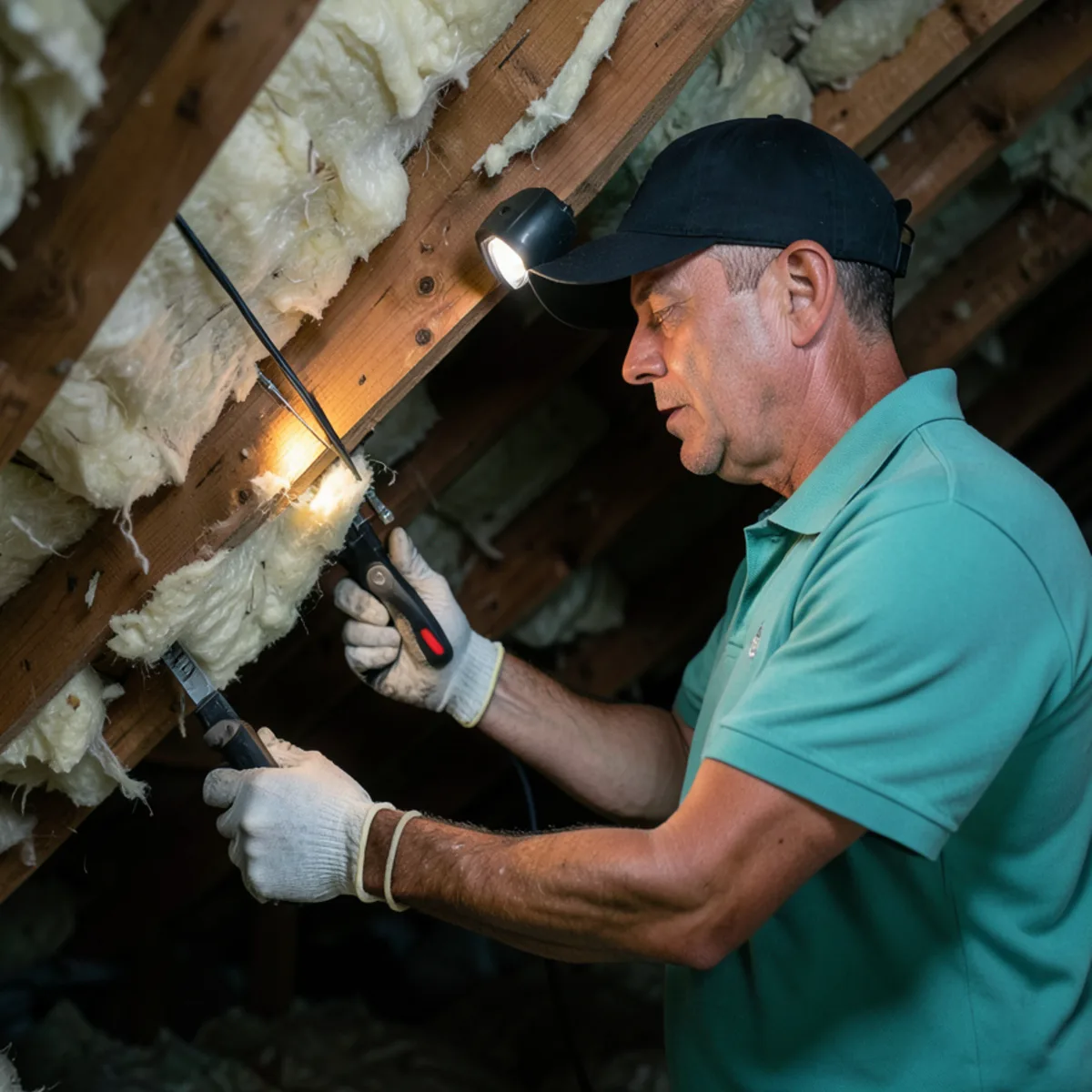
A rat in the living space usually means roof rats have been active in the attic or walls and one has dropped down, so this is a reason to inspect the attic and roofline, not just to set one trap.
How it got in — and the fix
Rats enter through roofline gaps at the eaves and vents, openings where utility lines come in, garage-door corners, and foundation gaps. The lasting fix is to trap out the rats inside, then seal those entry points so new ones can’t return — sealing after removal, not before, so nothing is trapped in a wall.
If a rat is loose in the living space, we prioritize the call: we come trap it and inspect for the entry route and attic activity.
Setting a trap tonight
If you have snap traps on hand, bait each with a small dab of peanut butter and set them flush against a wall where you saw the rat move. Rats travel along edges, not across open floor, so a trap stranded in the middle of the room gets ignored while one tight to the baseboard sits right in the animal’s path.
Put out several, a few feet apart along the same wall or tucked behind the stove and refrigerator, rather than pinning your hopes on one. Then leave them alone overnight. Rats are naturally wary of anything new in their territory, so the first night may pass untouched before the rat grows comfortable enough to approach.
What not to reach for tonight
Skip the glue boards. A rat often drags itself free or struggles for hours, and the boards trap curious pets and backyard lizards just as readily. Hold off on poison indoors tonight as well — a poisoned rat usually dies hidden inside a wall or cabinet, leaving a strong odor for days and a stray pellet where a pet or child might find it.
And don’t try to chase or corner the animal. A frightened rat can dart, climb or bite, and all a chase accomplishes is scattering it deeper into the house and making it warier of the traps you just set. Calm and still works better tonight than fast and loud.
Rat or mouse?
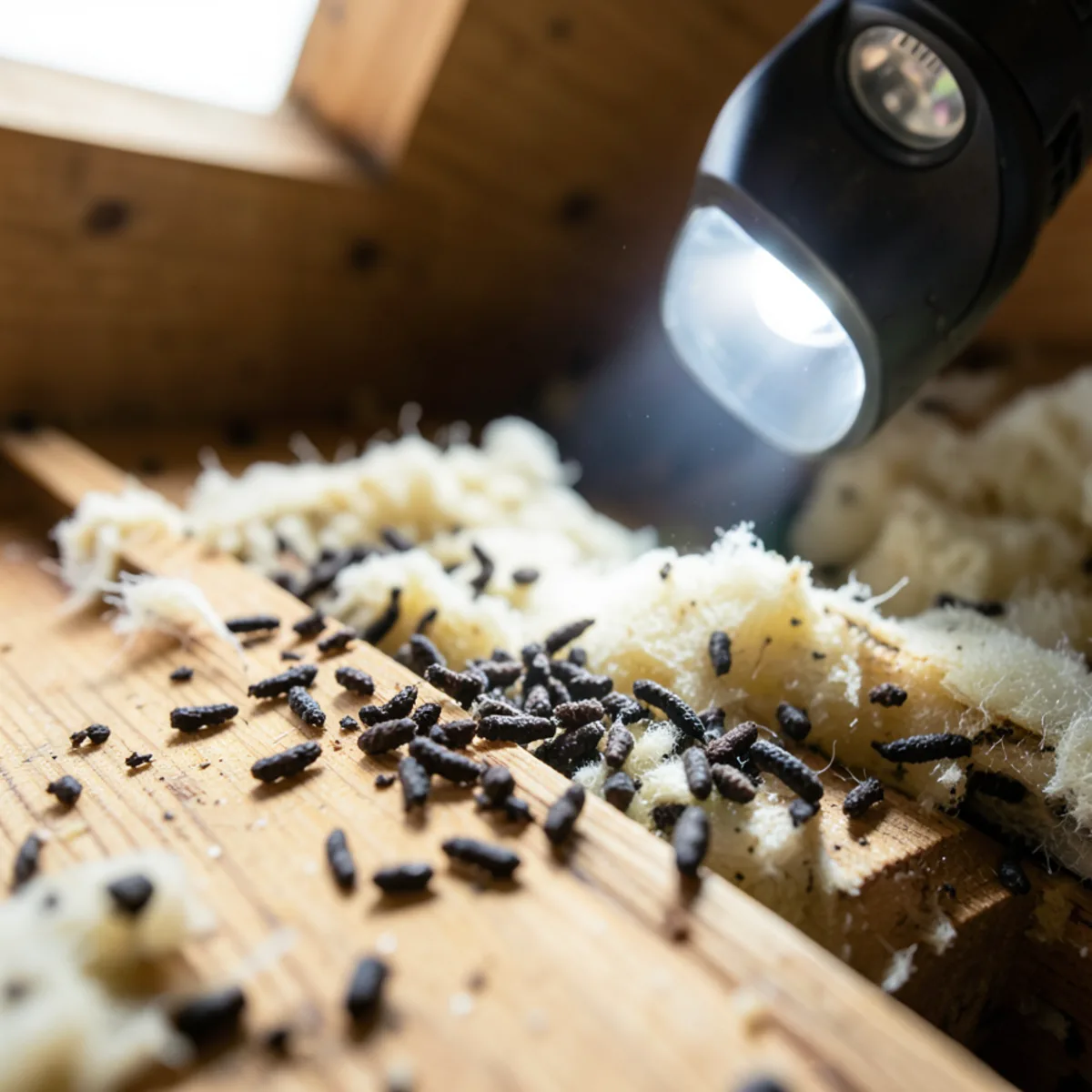
What you glimpsed changes the plan, so try to pin down which rodent it was. A rat is big-bodied — about the size of your hand before the tail — moves with weight, and leaves dark droppings roughly a half-inch long. A house mouse is small and quick, with droppings no bigger than grains of rice.
The distinction is practical. Mouse-sized traps won’t hold a rat, and a mouse slipping through a dime-sized gap points to smaller, different openings than a rat needs. If you never got a clear look, the droppings left behind are the most reliable overnight clue to what you’re dealing with.
Signs it isn’t the only one
One rat indoors is often just the visible edge of more activity. Before assuming it’s a lone wanderer that strayed in, look around the house for these:
The more of these you find, the more likely tonight’s rat has company you haven’t seen yet.
- Droppings turning up in more than one room or cabinet
- Fresh gnaw marks on food packaging, baseboards or wiring
- Greasy smudge marks along walls, pipes or the counter backsplash
- A pet that keeps staring or pawing at one wall
- Overhead scrabbling or thumps once the house goes quiet at night
- Shredded paper, fabric or insulation tucked into a still corner
Keep pets and children safe overnight
Set traps where curious hands and paws can’t reach — behind appliances, inside the cabinet under the sink, or within a covered bait station rather than out in the open. If a pet keeps fixating on one spot, use that as a hint to where the rat travels, but keep the trap itself tucked out of the pet’s reach.
Secure the garbage and any pet food in hard-sided containers for the night, since a rat loose in the house will make straight for the easiest meal it can find. A clean counter and a sealed trash can also stop the rat from feeding well enough to ignore your bait.
Cleaning up safely afterward
Once the rat is caught, clean without stirring dust into the air. Don’t dry-sweep or vacuum droppings; instead dampen them with a disinfectant, wipe up with paper towel while wearing gloves, and bag the waste before it goes into the outdoor trash. Wipe down any counters, shelves or pet bowls the rat may have crossed on its rounds.
This step matters more than it looks. Rodent droppings and urine are a sanitation concern, and damp cleaning keeps contaminated particles from going airborne the way sweeping or vacuuming can. Wash your hands well afterward, and launder any dish towels or cloths that sat out where the rat traveled.
The morning after
In daylight, check every trap and reset any that snapped shut without a catch — a sprung empty trap means the rat is still around and now a little more cautious. Then walk the house for the entry route: openings around pipes under the sink, a gap behind the dishwasher, the corners of the garage door, or daylight showing at a vent.
Listen in the attic while you’re at it, because a rat in the kitchen often means roof rats are established overhead and one dropped down. Catching the rat you saw is only half the job; the lasting fix is finding the way in and the colony behind it, then sealing those gaps once everything inside has been removed.
Related on this site