
Cockroach Control
Why Roaches Show Up in Clean Florida Homes
By Jobe Pest Services LLC · Published October 15, 2026 · Updated November 3, 2026
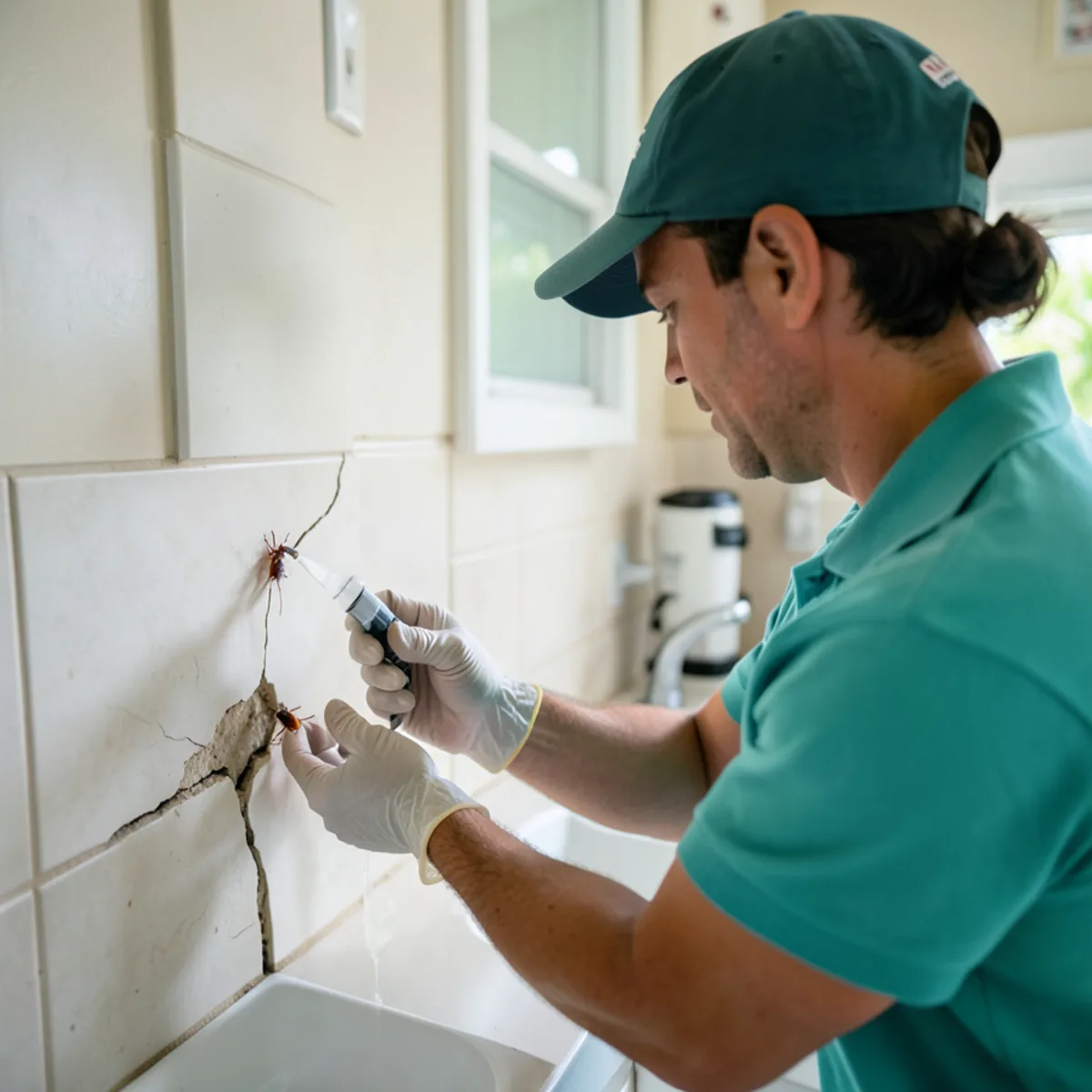
Finding roaches when you keep a spotless house feels like a personal insult. It isn’t. In Florida, most roach sightings have nothing to do with how clean your home is — they’re driven by the climate, the plumbing and the way homes are built.
Here’s what’s actually bringing roaches in, and what you can change.
The outdoor roaches that just wander in
Palmetto bugs and smokybrown roaches live outside in mulch, drains, soffits, sewers and tree lines, and they push indoors when the weather drives them — heavy rain floods their harborage, and drought or a cold snap sends them toward moisture and shelter. A clean kitchen doesn’t stop a roach that’s coming in from the sewer line or the mulch bed.
For these, the fix is outside: a perimeter barrier, drain treatment, trimming trees and mulch back from the foundation, and sealing the gaps they use.
When it’s German roaches
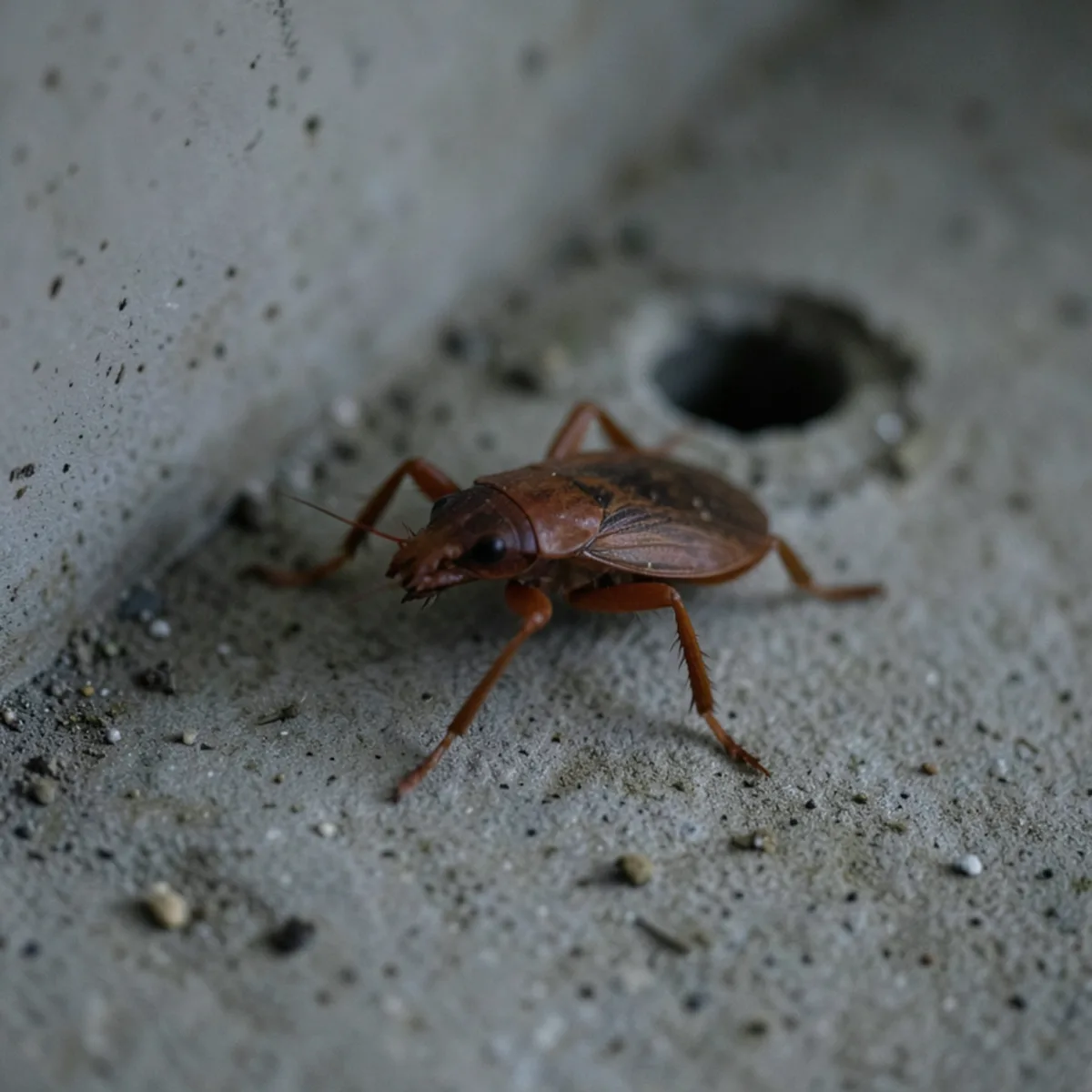
German roaches are the exception that can look like a cleanliness problem but usually isn’t a cleanliness cause. They hitchhike in — in grocery bags, used appliances, cardboard or through shared walls in apartments and condos — and then breed in warm, humid voids you never see. Once established, they persist in a clean home because they feed on tiny residues and hide where cleaning doesn’t reach.
Good sanitation slows them, but clearing German roaches takes targeted gel baiting and follow-up visits, not just scrubbing.
How Florida’s seasons push roaches indoors
Tampa Bay runs on two seasons, and both nudge roaches toward your door. The summer rainy months flood the mulch beds, storm drains and soil voids where outdoor species shelter, so they climb to drier ground — a slab edge, a garage, a soffit. A spotless home sitting in that downpour is simply the driest island around, which is exactly what a displaced insect is hunting for.
The cooler, drier stretch from late fall does the reverse, pulling roaches toward the steady warmth and humidity a conditioned house holds inside. Because our winters never truly shut insects down, there is no real off-season here; the pressure just shifts from flooding them out to drawing them in, month after month.
Moisture matters more than crumbs
Roaches can coast a long while without a meal, but they cannot last without water, so a home’s damp spots pull harder than its tidiness ever could. A dripping hose bib, a sweating air-handler line, a slow sink trap or a saturated plant saucer on the lanai each give a roach a reason to settle in.
In this climate those wet spots form faster and linger longer than they would up north. Drying them out — chasing small leaks, improving airflow beneath cabinets, tipping out standing water — strips away an attractant that sweeping and mopping never touch, and quietly makes a home far less livable for them.
The quiet gaps that let them in
Even a carefully kept Florida home is dotted with small openings a roach reads as an open door. Walking the exterior with fresh eyes and closing these points cuts the indoor traffic sharply:
- Gaps around plumbing and cable lines under sinks and behind appliances
- Weep holes and mortar joints in block-and-stucco walls
- Worn door sweeps and thresholds, the garage door especially
- Unscreened or torn vents at the soffit, dryer and attic
- Cracks where the slab meets the walls, patio or driveway
Shared walls change the math
In the townhomes, condos and apartments common around Brandon and Sun City Center, your own housekeeping is only half the story. Roaches travel the voids behind shared walls, follow utility chases between units and ride plumbing stacks from one kitchen into the next, so an immaculate unit can still host insects breeding two doors down.
That is why problems in attached housing are rarely solved one unit at a time. The colonies ignore property lines, and durable control usually means coordinating treatment across the connected spaces rather than defending a single kitchen in isolation.
What roaches want besides food
Sanitation advice fixates on food, yet roaches read a home for shelter signals just as strongly. Stacked cardboard and paper bags hold the glue and warmth they nest in, cluttered storage offers dark undisturbed harborage, and the motor compartment of a fridge or microwave radiates heat around the clock.
Pet bowls left down overnight, birdseed in the garage and recycling parked by the door all register as an invitation. None of it signals a dirty household — it reflects ordinary storage habits that happen to suit an insect looking for a warm, quiet corner to hide.
The lanai and screen enclosure
Screened lanais and pool cages are a classic Florida weak point for roaches. The screen keeps out mosquitoes but does nothing against insects walking the slab, and the enclosure traps warmth and moisture while collecting leaf litter in its track and corners. That blend of shelter, damp and organic debris is close to ideal harborage right against the house.
Outdoor furniture cushions, storage bins and potted plants on the lanai add dark, undisturbed hiding spots a few steps from the back door. Keeping the track swept, the corners clear and plant saucers dry turns the enclosure from a staging area back into just a porch.
Where an inspection actually looks
A real inspection spends its time where you rarely do: behind and beneath appliances, inside the fridge motor housing, under the sink where pipes enter, along the garage perimeter and at the band where slab meets wall. Those are the harborages a passing sighting never reveals.
A technician reads the evidence a population leaves — droppings like ground pepper, shed skins, bean-shaped egg cases and a faint musty odor. Pinning down where roaches shelter, rather than where one happened to cross the floor, is what lets treatment hit the source instead of chasing the sightings.
Why a sighting deserves a quick response
A lone roach in a tidy home is easy to wave off as a one-off, but the warm, humid conditions here let a small foothold build quietly before anyone notices a second. Acting on the first sighting — closing the gap it likely came through, drying the spot that drew it, and watching for droppings — keeps a stray from becoming a resident while the fix is still simple.
That early response matters most in attached housing and older homes, where a single insect is more often the edge of pressure moving through shared walls or worn construction than a true stray. Treating the first sign as information rather than an embarrassment is what separates a home that stays clear from one that slowly loses ground.
Related on this site
Sources
- UF/IFAS Extension — cockroach biology and control