
Rodent Control
Roof Rats in Tampa Bay Attics: Signs to Check
By Jobe Pest Services LLC · Published October 13, 2026 · Updated November 3, 2026
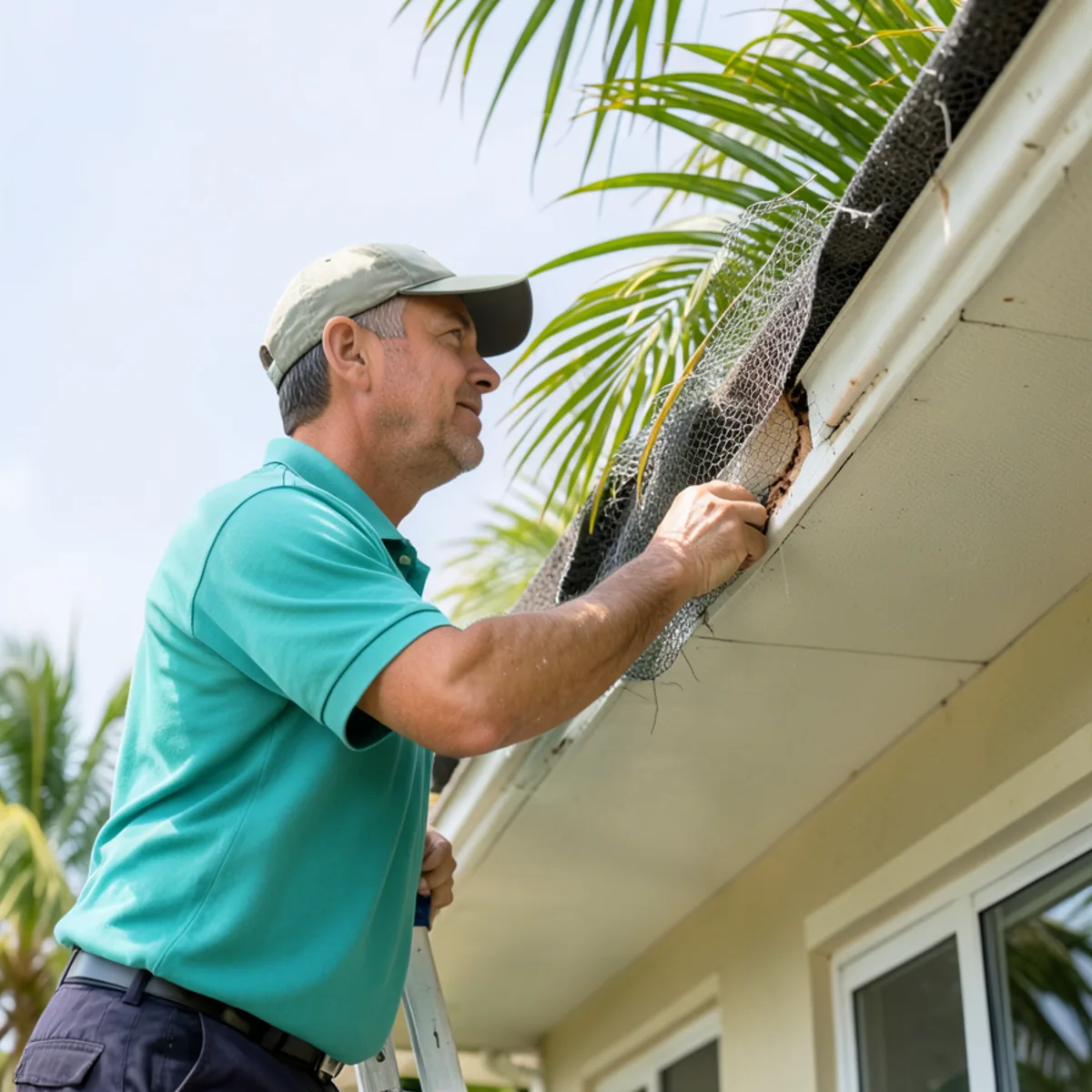
Roof rats are the most common rat in Tampa Bay homes, and the attic is where they live. They are agile climbers that travel palms, fruit trees, fences and power lines onto the roof, then slip in through gaps at the eaves and vents. The first sign is usually noise overhead at night.
Here are the signs to check and how roof rats get into the attic in the first place.
The signs of roof rats
Listen for scratching, scrambling or rolling sounds in the ceiling and walls after dark, when roof rats are active. Look for dark, capsule-shaped droppings (about half an inch) in the attic and along runs, greasy rub marks where they travel the same paths, and gnaw marks on wood, wiring and stored boxes. Outdoors, chewed or hollowed fruit under trees and nests in palm fronds point to roof rats nearby.
One rat in the living space usually means a population has been in the attic for a while, so seeing or hearing one is a reason to inspect, not to set a single trap.
How they get in
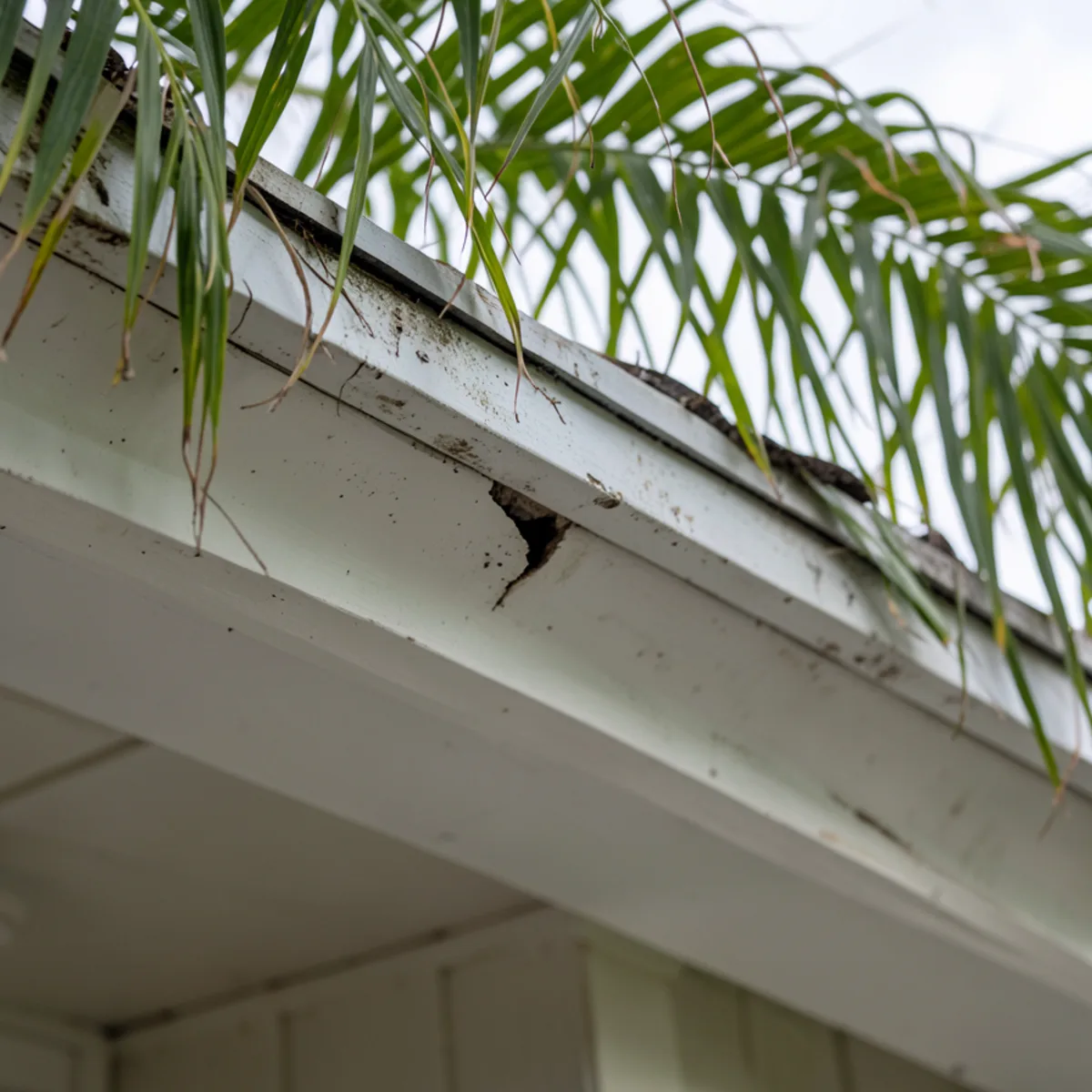
Roof rats enter high. The common entry points are gaps at the eaves and soffits, unscreened attic, gable and dryer vents, openings where utility lines enter, and roofline construction gaps — often holes of about a half inch. Tree branches and palm fronds touching the roof give them a direct bridge.
That is why control is a two-part job: trap the rats in the attic, and seal those roofline entry points so new ones can’t return. Trimming trees back off the roof removes the highway.
Why the attic suits them
The attic gives roof rats everything a nest needs in one place — warmth that collects under the roof deck, soft insulation to burrow into, and darkness well above the hawks, owls and cats that hunt them at ground level. From that base they drop into wall voids and slip back outside to feed, which is why the attic stays their headquarters even after you spot one in a lower room.
The height also matches their instinct. These are climbing, tree-dwelling rats that in the wild nest in palm crowns and dense canopy, so a raised, enclosed space high off the ground reads to them as prime shelter — far more inviting than a burrow in the yard. Once a colony settles in, it treats the roof as home territory and returns to it night after night.
Their nightly rhythm
Roof rats keep a tight schedule. They leave the nest soon after dark to forage — raiding citrus, loquat, palm fruit, pet bowls and spilled birdseed within a short range of the house — and head back before first light. Night after night they follow the same routes, and that repetition is what lays down the worn runways and smudged trails a technician reads during an inspection.
The overhead noise tends to peak in the hour after sunset and again just before dawn, as the colony moves out to feed and returns to rest. A quieter spell in the middle of the night doesn’t mean they’ve left — it usually means they’re out foraging and will be back overhead by morning.
How quickly a colony grows
Florida’s mild winters let roof rats breed close to year-round, so a pair that moves in during a fall cool front can fill an attic by spring. Females raise several litters a year, and the young reach breeding age in a matter of weeks, which is why these problems so rarely stay small on their own.
That math is the reason a single sighting calls for an inspection rather than one trap. By the time a rat is bold or crowded enough to be seen or heard, the nest overhead is usually well past its first residents — and every week of waiting adds animals that each need trapping and more mess to clean up.
What they damage overhead
The noise is only the part you notice. A settled colony does steady, hidden damage up in the attic, and most of it stays out of sight until someone climbs up to look:
Left alone, this damage compounds through the year, which is part of why acting on the first signs pays off.
- Gnawed electrical wiring, a genuine fire risk inside walls and ceilings
- Insulation flattened, tunneled and fouled into useless clumps
- Chewed duct board and loosened flex-duct that leak cooled air
- Stored boxes, keepsakes and holiday decorations shredded for nesting
- Ceiling and wall stains where urine and grease soak through
- Droppings and contamination spread along every runway they travel
The odor and the health side
An active colony scatters droppings and urine through the insulation, and that’s both a sanitation issue and the source of the musky smell that builds in an infested attic. The odor often reaches the living space through ceiling fixtures and the attic hatch before anyone sees a rat.
If a rat dies inside a wall or soffit — common after it feeds on poison — the smell can be heavy for a week or more until the carcass dries, with no easy way to reach it. Roof rats also carry fleas and mites, which can drift down into bedrooms once the attic above gets crowded. Those are practical reasons many homeowners prefer trapping to bait inside the structure.
Roof rats, not Norway rats
The attic rat around Tampa Bay is almost always the roof rat, not the bulkier Norway rat. Norway rats are heavy, ground-bound burrowers that tunnel along foundations, under slabs and through sewers, and they seldom climb into a roof. Roof rats are sleeker and darker, built to climb, with a tail longer than their head and body combined.
Which species you have shapes where the work happens. A burrowing rat is a ground-and-perimeter problem solved low; a climbing rat is an attic-and-roofline one solved high. The overhead scratching that brought you to this page all but answers the question — ground rats don’t spend their nights in your ceiling.
What an attic inspection covers
A thorough inspection reads the attic and the roofline as one system. Inside, it traces runways, droppings and rub marks back toward where rats enter, and checks the insulation, ducts and wiring for the damage above. Outside, it works along the roof edge, soffit returns, vent screens and any limb that reaches the roof, noting every likely opening.
The point is a complete picture before a single trap is set — where the colony nests, the paths it travels, and each gap that will need sealing once the rats are out. Skipping that step is how people trap a few rats, feel relief, and then hear the ceiling come alive again a month later.
Related on this site
Sources
- UF/IFAS Extension — roof rats and rodent management