
Commercial Pest Control
Who Pays for Apartment Pest Control in Florida?
By Jobe Pest Services LLC · Published October 22, 2026 · Updated November 3, 2026
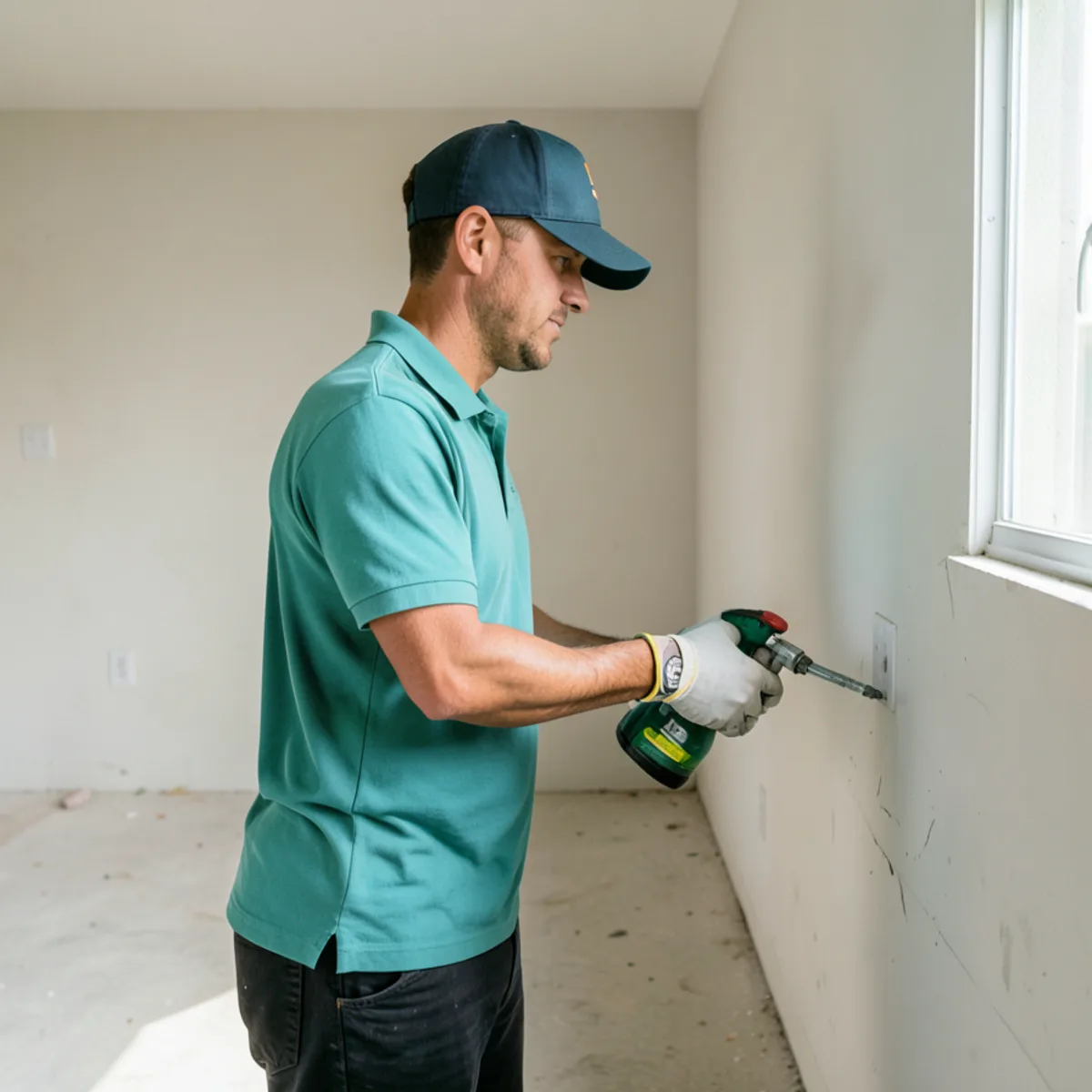
When roaches or rodents show up in a Florida apartment, the first question is usually who’s responsible for dealing with them. For most multifamily housing, Florida law puts the baseline duty on the landlord.
Here’s what owners, property managers and tenants should understand — this is general information, not legal advice.
What the statute says
Florida Statute 83.51 requires landlords of most multifamily dwellings to make reasonable provisions for the extermination of rats, mice, roaches, ants, wood-destroying organisms and bedbugs, and to keep common areas clean and safe. In single-family homes and duplexes the lease can shift some of this, but in apartments the baseline sits with the landlord.
Lease terms handle specifics — notice, access and cooperation — but a landlord generally can’t simply pass a building-wide roach or rodent problem onto a tenant.
Why building-wide beats unit-by-unit
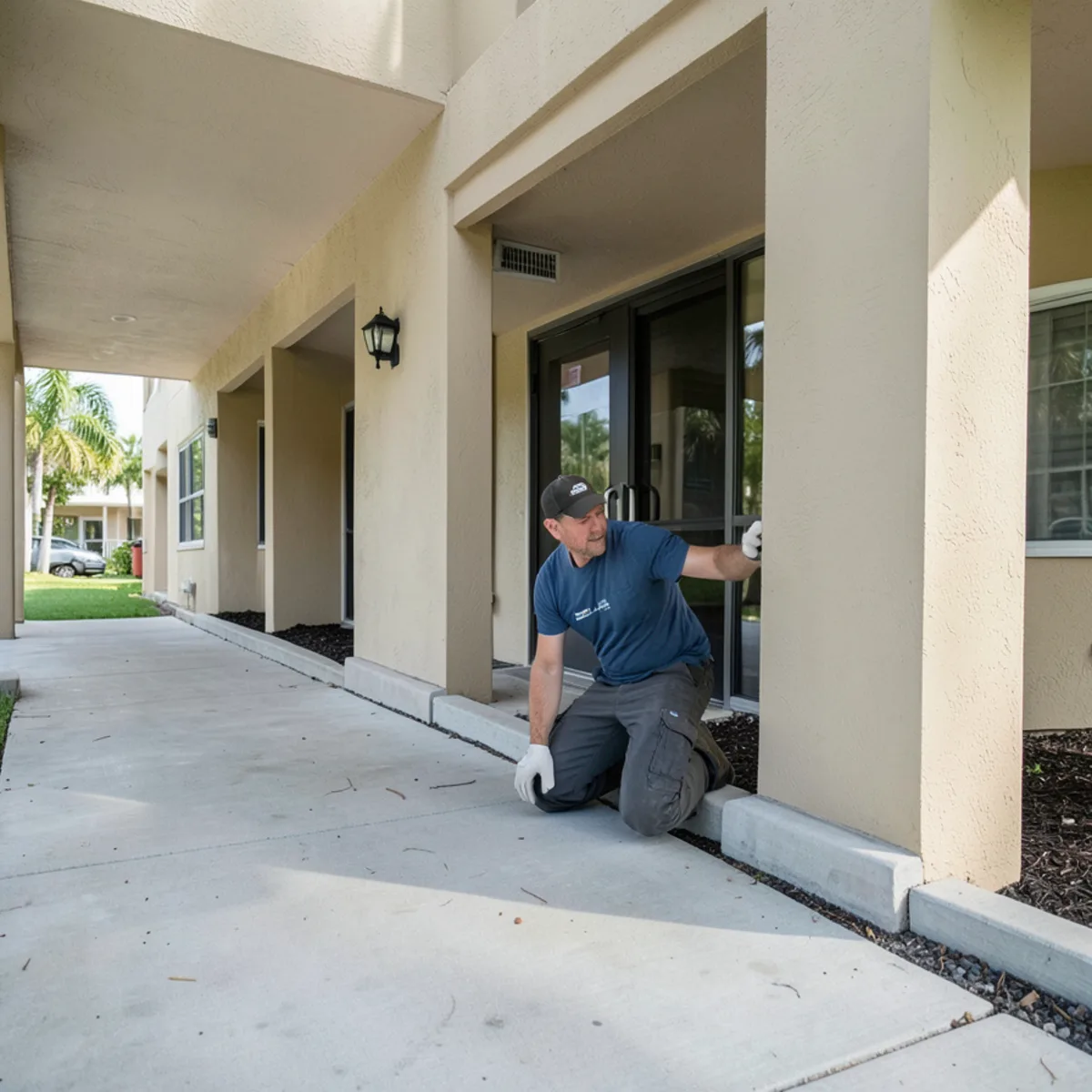
Roaches and bed bugs travel between units through shared walls, plumbing chases and electrical runs, so treating one unit while the neighbors go untreated rarely holds — the pests just move back in. That’s why managers get better, cheaper results from a scheduled, building-wide program than from chasing individual complaints.
We work with property managers on unit-turn treatment, common-area service and resident-request visits, with the documentation that supports the landlord’s obligations. Service is billed to the property, not residents.
Where a tenant’s part begins
The statute puts the baseline on the landlord, but tenants carry duties that keep that protection intact. A resident is generally expected to keep their unit reasonably clean, store food and trash properly, report problems promptly, and give the owner access so treatment can happen. A unit left with uncovered food, standing clutter, or ignored leaks can feed an infestation and muddy who answers for it. Meeting these basics isn’t only courtesy — it’s often what the lease requires, and it keeps a building-wide program from stalling at one door.
Those duties don’t override the landlord’s baseline — a tenant keeping a tidy unit is still owed treatment for a building-wide problem — but they do keep responsibility clear and the treatment effective.
Put the complaint in writing
When pests show up, a phone call is easy to forget, so follow it with something written — an email or a dated maintenance request — describing what you saw and where. Photos with timestamps help, and so does noting whether neighbors report the same thing, since that points to a shared-wall source the owner needs to treat broadly. Keep copies of what you send and any reply. A clear record protects everyone: it shows the owner was notified and gives the property a timeline to act within, which matters far more than memory if a dispute ever arises.
Prep your unit before treatment
A treatment only works if the unit is ready for it, and prep is usually the resident’s job. When the technician schedules a visit, work through the basics the day before so nothing blocks the areas that need attention.
- Clear out the cabinets under sinks and around the kitchen so baseboards and plumbing are reachable
- Bag and wash fabrics if bed bugs are the target, following the prep sheet you’re given
- Pull furniture a few inches off the walls in affected rooms
- Vacuum floors, edges, and cracks, then empty the canister or bag outside
- Store food and dishes, and cover or tank aquariums as directed
- Make a plan for pets and anyone who needs to be out during the service window
Bed bugs and the question of blame
Bed bugs raise the sharpest version of the who-pays question, because they often arrive on luggage, used furniture, or a visitor rather than from the building itself. Even so, in most Florida apartments the extermination duty still runs to the owner, since bed bugs spread between units through walls and outlets once they’re inside. Trying to pin the cost on a single tenant usually backfires: the colony has already moved, and a unit-only treatment leaves the neighbors seeding a return. Owners generally get further treating the cluster of units together and sorting cost separately from control.
Residents can lower the odds by inspecting used furniture before bringing it in and checking luggage after travel, which keeps a solvable problem from becoming a shared one.
Condos and associations change the picture
Not every multifamily building works the same way. In a condominium, responsibility can split between the unit owner and the association depending on whether the pests are inside the unit or in the common elements, and the governing documents spell out which is which. A renter in a condo may deal with an individual owner rather than a management company, so the chain of who to notify looks different. When the arrangement is unclear, reading the lease alongside the association’s rules — and getting legal advice for a real dispute — beats assuming the apartment rule applies unchanged.
Associations also set their own notice and access rules, so a condo renter who reports a pest may need to loop in both the owner and the management company before anyone can schedule a visit.
Common areas and shared sources
A lot of multifamily pressure comes from spaces no single resident controls — trash rooms, laundry areas, utility chases, and the landscaping along the foundation. Roaches and rodents feed and travel there, then spread into units, which is another reason the owner’s baseline duty reaches past individual apartments. Residents help by bagging trash before it hits the chute and reporting a propped exterior door or an overflowing bin, but the fix for a shared source is a property-level one, handled on a schedule rather than one complaint at a time.
Keeping a building clear between visits
Control holds only when the property and residents work the same side. On the management end, that means a scheduled common-area and perimeter program, treating units at turnover before new residents move in, and answering requests quickly enough that one report doesn’t become ten. On the resident end, it means prompt reporting, sealed trash, and cooperation on access. Owners who hand new tenants a short move-in note on reporting pests and prepping for service tend to see fewer recurring problems, because small issues surface while they’re still cheap and simple to resolve.
Prevention is also the cheaper path for owners, since a monitored building catches a single unit early, long before the cost and disruption of treating a whole floor.
Related on this site
Sources
- Florida Statutes 83.51 — landlord’s obligation to maintain premises